
Fabrizio Romano’s Greenwood Post Sparks Debate Over Illegal Betting Ads
By Erdem / 08/07/26
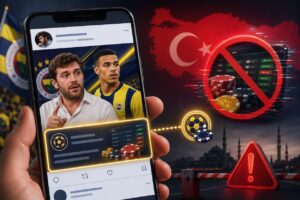
Fenerbahce’s reported move for Mason Greenwood has become a major football story in Turkey, but Fabrizio Romano’s latest update also raised a separate issue concerning the visibility of illegal betting. Romano, one of the most followed transfer reporters in world football, shared an update on X about Greenwood’s possible move to Fenerbahce, with the post presented in partnership with Extrabet.
The detail drew attention because Extrabet is not just a generic betting sponsor in this context. It is a Turkey-facing betting brand operating outside Turkey’s authorised betting framework. That made the post relevant not only as a transfer update, but also as a current example of how illegal betting brands can reach Turkish audiences through international football media.
According to Romano’s post, Fenerbahce and Olympique Marseille were in direct contact over the details of the deal, while Greenwood was open to the Turkish club’s project. The update also stated that AS Roma had not submitted an official bid. The sponsor line at the end of the post turned a football story into a wider discussion about betting advertising, social media reach and regulatory limits.
A Transfer Update Became a Betting Visibility Case
Mason Greenwood is a high-profile name, and any transfer link involving Fenerbahce quickly attracts major attention in Turkey. That made Romano’s post highly visible among Turkish football fans and across social media.
The key issue was the appearance of Extrabet in the post. In Turkey, sports betting is legal only through authorised channels. Platforms operating outside that system are treated as illegal betting operators. Despite access blocks and regulatory pressure, these brands continue to seek exposure through football content, social media accounts and sponsorship-style placements.
Romano’s post stood out because the transfer story was directly tied to the Turkish football market, while the sponsor was a betting brand seeking exposure to the same audience. Instead of appearing on a local website, the brand gained visibility through an international football news account with a global following.
🚨🔵🟡 Mason Greenwood and Fenerbahçe, deal close to completion with clubs in direct contact over details.
Player side keen to join Fener with AS Roma never sending formal bids despite reports.
Fenerbahçe are optimistic to get it done shortly.
Update powered by @ExtrabetTR10. pic.twitter.com/UicQLjNQ3i
— Fabrizio Romano (@FabrizioRomano) July 8, 2026
Football Partnerships Offer Another Route to Visibility
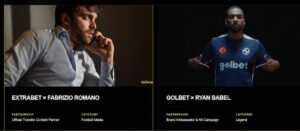
The Extrabet placement in Fabrizio Romano’s transfer coverage also offers a glimpse into how these partnerships are being built. The agreement was arranged through a specialist intermediary working between betting brands and figures in international sport, allowing operators to gain exposure through established football personalities and media accounts rather than relying only on conventional advertising.
Publicly presented case studies show Extrabet × Fabrizio Romano as an “Official Transfer Content Partner” relationship. The same portfolio also includes Golbet × Ryan Babel, described as a “Brand Ambassador & Kit Campaign.” Babel is particularly relevant to Turkey after playing for both Besiktas and Galatasaray, while Romano reaches Turkish fans through transfer stories involving clubs such as Fenerbahce.
The two examples show different sides of the same iGaming marketing model. One places a betting brand alongside high-traffic transfer news, while the other uses a recognisable former footballer as the face of a campaign. For Turkey-facing operators, such partnerships can keep brand names visible around football even when direct betting advertising and access to offshore platforms face regulatory restrictions.
A Turkey-Facing Brand Reached Fans Through Global Football Media
The Extrabet detail is important because illegal betting brands targeting Turkey often rely on visibility rather than solely on direct website traffic. Even when domains are blocked, the brand name can remain active through social media handles, sponsored posts and accounts that speak to Turkish sports audiences.
This model is harder to curb through traditional access restrictions. A website can be blocked, but a brand can still appear inside a viral football update, especially when the story involves a club with a large and active fan base such as Fenerbahce.
The method also differs from a classic betting advertisement. There may be no direct call to place a bet, but the brand still benefits from association with a high-interest transfer story. For illegal betting operators, that kind of exposure can be valuable because it keeps the name circulating even when direct access to the platform is restricted.
The Romano Post Highlights a Wider Challenge
Fabrizio Romano’s Greenwood update became a current example of how illegal betting brands are not backing away from sports exposure. Instead, they appear to be moving toward channels that are harder to control with standard site-blocking measures.
Transfer windows, derby weeks, international tournaments and major club stories create intense engagement. Turkey-facing illegal betting brands can use that attention to stay visible, even when their websites face restrictions or when local regulators target direct advertising.
This also brings the debate back to the strength of the local licensed betting market. Blocking illegal sites can limit direct access, but it does not automatically remove demand, brand awareness or social media exposure. A stronger, safer and more competitive regulated market can make offshore illegal operators less attractive to users and reduce the space they occupy.
The Romano post was therefore more than a Mason Greenwood transfer update. It showed how a Turkey-facing illegal betting brand can gain visibility through global football media, even when access to such platforms is restricted locally. The most effective response may not come only from blocking websites, but from building a licensed market capable of competing with the appeal and visibility of offshore betting brands.