
Banned, but Not Gone: The Rise of 8xBet in English Football after 1xBet Lost its UK Licence
By Altan / 24/04/26
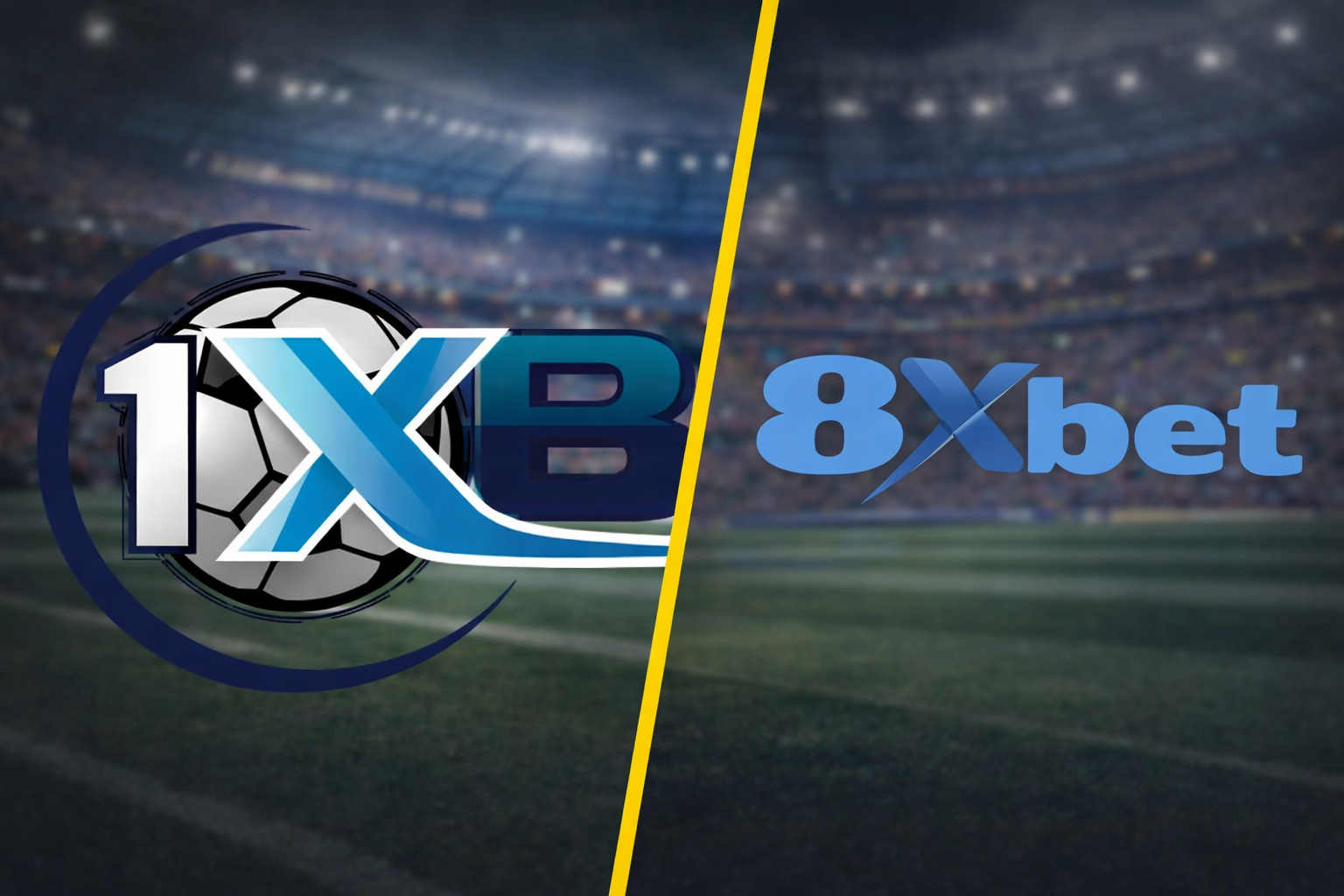 Despite regulatory action forcing 1xBet out of the UK, a similarly branded betting company has rapidly expanded across English football. With unclear ownership, limited corporate transparency, and growing scrutiny, 8xBet’s rise raises questions about how gambling enforcement—and brand continuity—really works in the game.
When 1xBet lost its UK licence in 2019 following a series of regulatory breaches, it appeared to mark the end of the Russia-founded bookmaker’s presence in English football. The company, whose founders have faced criminal investigations, was effectively removed from one of the world’s most tightly regulated gambling markets.
But its disappearance did not leave a void. Instead, a similarly branded company—8xBet—has emerged across English football, rapidly expanding its sponsorship footprint in the Premier League and beyond.
The Relay Race: 1xBet’s Collapse and 8xBet’s Rise
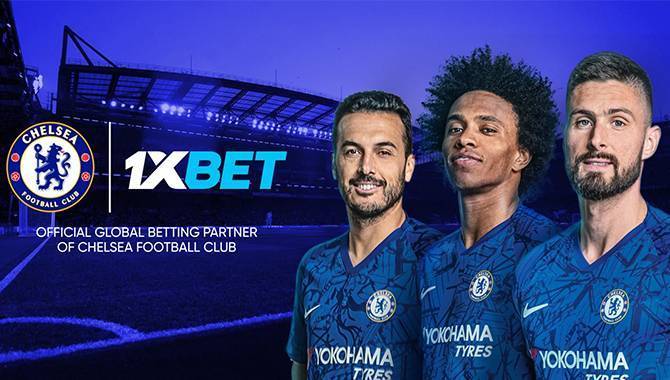 The following timeline illustrates the striking transition between the two brands. As one was forced out, the other began a systematic takeover of the same commercial territory.
- 1xBet: The Initial Invasion
2018 – 2019
1xBet secures high-profile global partnerships with Liverpool, Chelsea, and Tottenham Hotspur. The brand becomes a staple of Premier League broadcasts. - Regulatory Collapse
Sept 2019
Following a Sunday Times investigation into illegal practices, the UKGC intervenes. Clubs terminate deals immediately to avoid legal repercussions. 1xBet is effectively banned from the UK. - 8xBet: The Successor Emerges
July 2022
Three years after 1xBet’s exit, 8xBet signs with Manchester City as their Official Asian Betting Partner, using a nearly identical visual identity (Blue/White scheme and the stylized ‘X’). - Aggressive Expansion
2023 – 2024
The brand secures deals with Leicester City and Fulham FC (Training Kit). Scrutiny from outlets like Josimar begins regarding the brand’s true origins. - The Modern Hegemony
2024 – 2025
The footprint grows to include Newcastle United, Bournemouth, Ipswich Town and Sunderland. - The Full Circle
Jan 2025
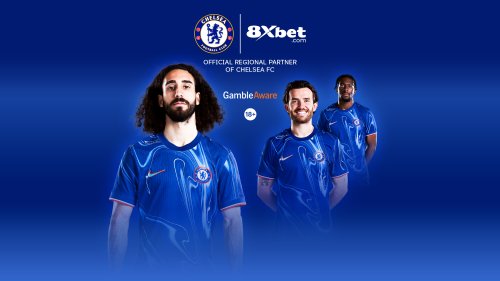
8xBet signs with Chelsea, returning to the very club that was forced to dump 1xBet six years prior, effectively completing the brand’s “restoration” in London.
“Information Withheld”: The Shadow of Transparency
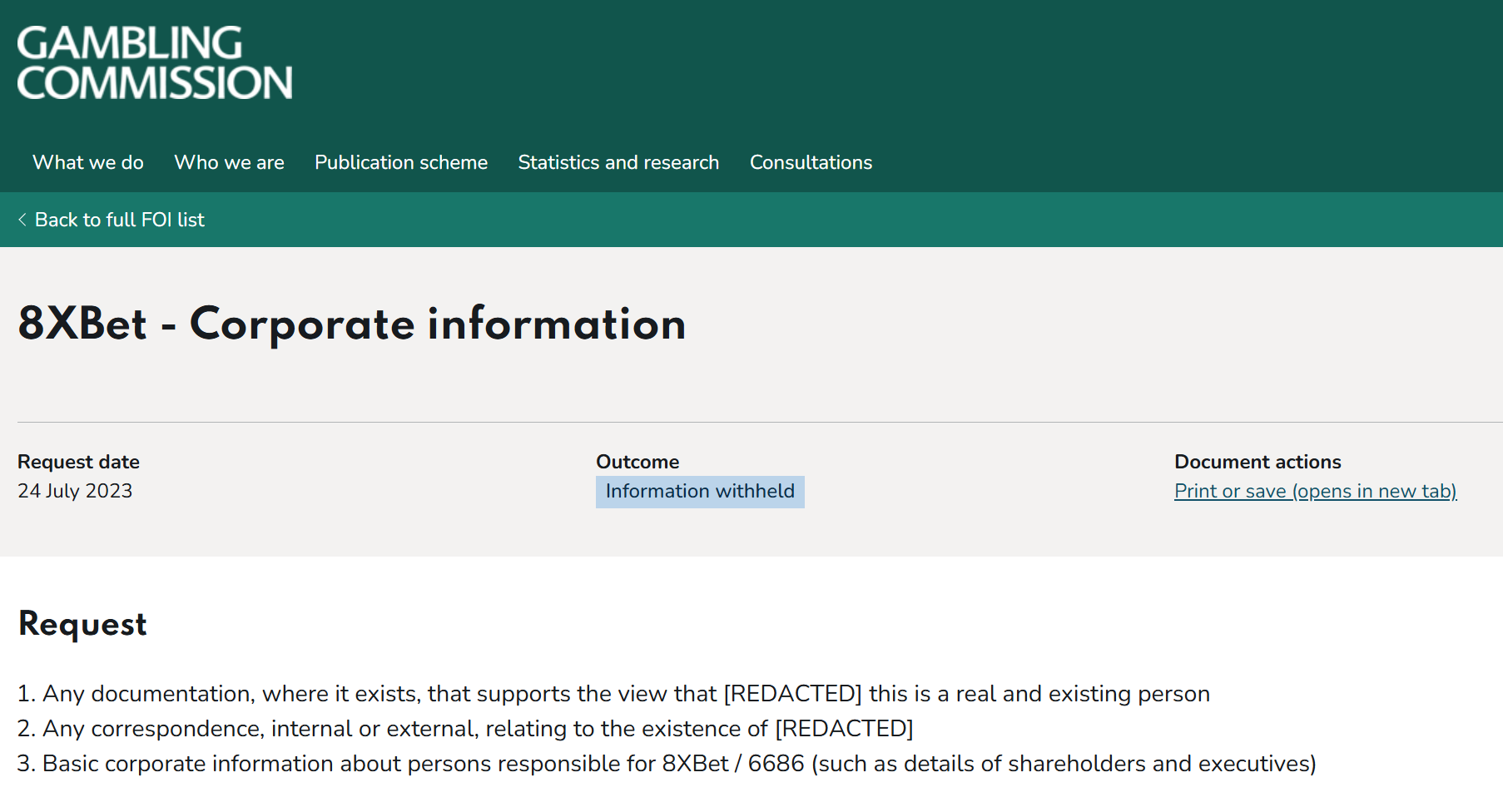 The company’s visibility is particularly striking given how little is known about it. A search for corporate information on the UK Gambling Commission website returns a simple, chilling note: “Information withheld.” Requests relating to ownership and internal communications have produced similar outcomes, with the regulator declining to disclose key details.
Questions about the company’s leadership deepen the ambiguity. Promotional material identifies a founder and chief executive, Ryan Li, yet attempts by journalists to verify his identity have produced no conclusive evidence. Investigations by the Mail on Sunday pointed to inconsistencies in corporate claims, unverifiable profiles, and the use of stock imagery or actors to represent executive staff.
One Operator Ends, Another Begins: A Question of Continuity
The parallels between 1xBet and 8xBet are difficult to ignore. Placed side by side, the trajectory is striking:
- Visual Familiarity: Both brands use blue-and-white color schemes and a stylized “X” at the center of their logos.
- Targeted Assets: 8xBet has successfully partnered with the exact same caliber of clubs (Chelsea, Man City/Tottenham) that 1xBet once held.
- The System: Both utilize the “White Label” system via TGP Europe Limited, allowing offshore entities to gain UK visibility without direct regulatory presence.
None of this establishes a formal legal link between the two. However, the pattern suggests that in the world of high-stakes football sponsorship, removal from a national market does not necessarily mean disappearance. It may simply mean adaptation.
English football remains one of the most powerful advertising platforms in the world. As long as offshore operators can use “White Label” structures to reach global audiences through Premier League broadcasts, the “ghost” of banned operators will likely continue to haunt the game under new names. In the case of 8xBet, that adaptation is happening in plain sight.